News
'Not Impaired' Isn't the Whole Story: What an Alabama Fatal-Crash Charge Actually Has to Prove
By Benjamin Schoettker | J.D. | Barfoot & Schoettker, LLC | 25+ years | Personal Injury, Wrongful Death, Slip and Fall, Premises Liability, Car Accidents, 18-Wheeler Accidents, Motorcycle Accidents
Published: 2026-06-30 | Last updated: 2026-06-30
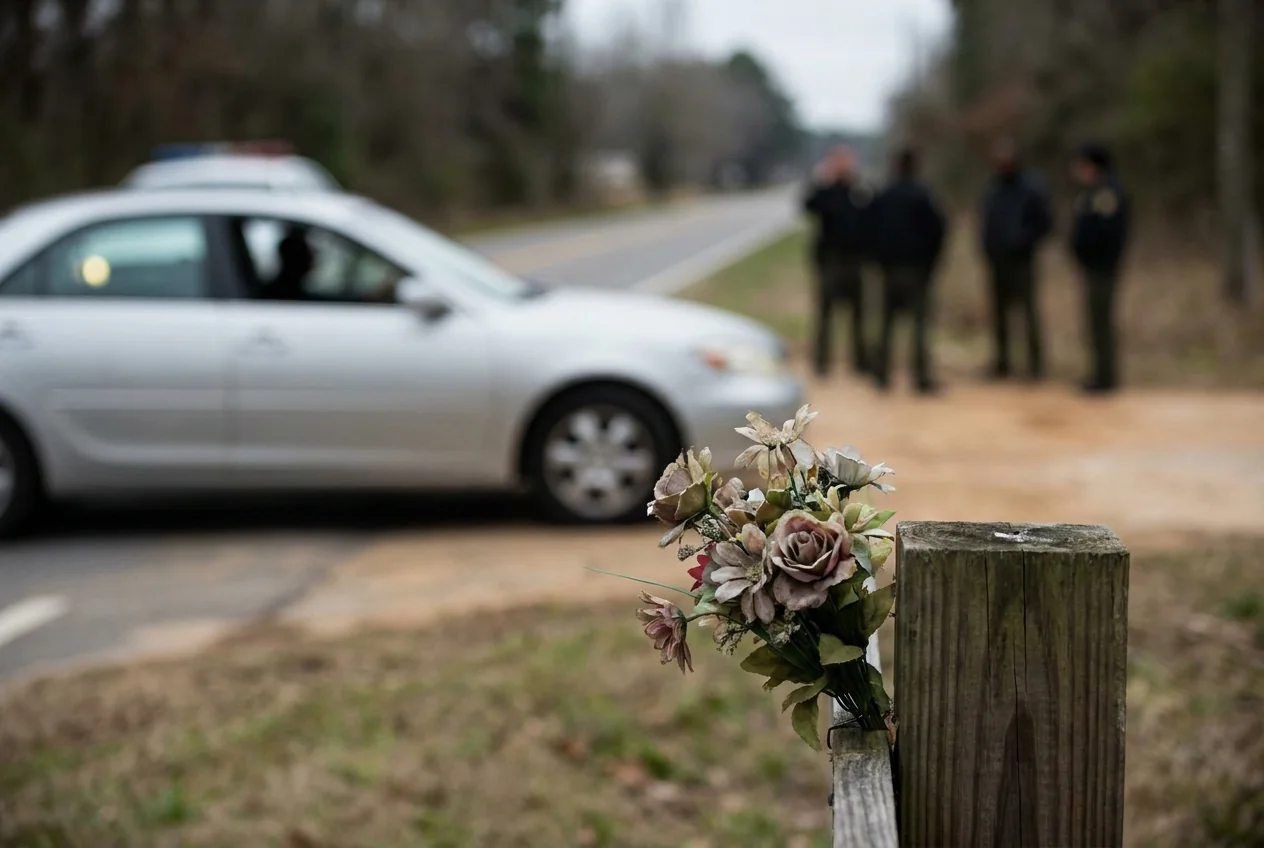
TL;DR: After a Montgomery-area crash killed an Alabama mother and her three children, the driver's defense attorney went public with a familiar line: his client was not impaired. Statements like that travel fast, and they shape how the community thinks about a case long before a grand jury ever meets.
After a Montgomery-area crash killed an Alabama mother and her three children, the driver's defense attorney went public with a familiar line: his client was not impaired. Statements like that travel fast, and they shape how the community thinks about a case long before a grand jury ever meets. But under Alabama law, whether a driver was drunk or high is only one piece of a fatal-crash prosecution. Ultimately, the question a jury has to answer is not just whether the driver was impaired — it is whether the driver's conduct rose to the level the criminal statute actually requires.
Alabama prosecutors charging a fatal crash have more than one road to a conviction. A homicide-by-vehicle charge under Alabama's DUI statutes does require proof of impairment, but manslaughter and criminally negligent homicide do not. Reckless driving, excessive speed, running a red light, racing, or other gross deviations from how a reasonable driver would behave can support serious felony charges even when toxicology comes back clean. While impairment evidence is often the headline, it is important to note that the State can prove a manslaughter case on conduct alone — and frequently does.
On the civil side, families left behind have their own separate path under Alabama's Wrongful Death Act. That statute focuses on whether the driver was negligent or wanton — a much lower bar than the criminal standard. A driver can be cleared of impairment, even cleared of every criminal charge, and still be held financially responsible to the surviving family. Alabama's contributory negligence rule is strict and can bar a plaintiff's recovery if they are even slightly at fault, but in a case where a passing family had no role in causing the wreck, that defense rarely applies.
For Alabama readers following this tragedy, the takeaway is not who is right about the toxicology report. It is that 'not impaired' and 'not criminally responsible' are two very different questions, and early news coverage tends to collapse them into one. A clean blood test does not end the analysis — not for the District Attorney, and not for the family's civil lawyer. The facts of how the wreck happened, the speed, the road conditions, and the driver's choices in the seconds before impact will matter far more than any single statement from defense counsel.
“'Not impaired' and 'not criminally responsible' are not the same thing under Alabama law. The State can still prove manslaughter on reckless conduct alone, and a grieving family can still bring a wrongful death claim on simple negligence — toxicology results don't close either door.” — Benjamin Schoettker, Barfoot & Schoettker, LLC
Frequently Asked Questions
If the driver wasn't drunk, can they still be charged with a crime after a fatal Alabama crash?
Yes. Alabama manslaughter and criminally negligent homicide statutes do not require impairment. Reckless driving, excessive speed, or other gross deviations from reasonable conduct can support serious felony charges even when blood and breath tests come back clean.
Does a 'not impaired' finding stop the family from filing a wrongful death lawsuit?
No. Alabama's Wrongful Death Act is a civil action based on negligence or wanton conduct, not impairment. A family can pursue a wrongful death claim regardless of toxicology results, and regardless of whether criminal charges are filed.
Lost a Loved One in an Alabama Crash?
If your family lost someone in a fatal Alabama wreck, the criminal case and the civil wrongful death case are two separate tracks — and what happens in one does not control the other. Barfoot & Schoettker, LLC handles wrongful death and serious-injury cases across Montgomery and the River Region. Call (334) 834-3444 for a free, confidential consultation.
Barfoot & Schoettker, LLC · 6771 Taylor Circle, Montgomery, AL 36117 · (334) 834-3444
We are here to help!
Whether it’s the insurance company who refuses to adequately compensate you for your personal injury; the wrongful death of a loved one caused by the carelessness of another; or you've wrongfully been accused of a crime... Regardless of the obstacles you face, we can help.
Call Us Confidentially Now:
(334) 834-3444
Contact Details
OFFICE
6771 Taylor Circle
Montgomery, AL 36117
Phone
Contact Us Today
Use our contact form or give us a call for your no-obligation consultation.